
How High-Quality DEF Can Reduce Costs and Minimize Fleet Downtime
- Industry News
- BlueDEF
- April 1, 2026
Downtime fleet management and cost reduction is possible with a high-quality DEF. Learn what to look for & DEF purity standards in our latest blog.

Diesel exhaust fluid (DEF) isn't just a line item on your maintenance sheet — it's a mission-critical element of your entire fleet's reliability. From regulatory compliance and engine health to fleet uptime and cost control, DEF plays a central role in keeping your trucks on the road and meeting freight transit demands without disruption or delay.
DEF performance depends on two critical elements: purity and product quality. Not all DEF is the same, and label claims can be misleading. Some manufacturers insist their products are pure without backing it up. Using those products may expose you to risks that can carry enormous costs.
This guide to the best diesel exhaust fluid cuts through the confusion, explaining the exact quality standards your DEF should meet. It also highlights a foolproof way to know for sure that your DEF meets the highest industry standards.
We'll cover:
- The importance of DEF
- Risks of using low-quality DEF
- The high costs of fleet downtime
- How high-quality DEF extends uptime
- DEF quality and purity standards to look for
- Why BlueDEF® is the trusted choice
The Importance of DEF
DEF is essential to:
➢ Engine health and performance
➢ Regulatory compliance
➢ Fleet management cost controls
To better understand each of these issues, let’s frame them in the context of an essential but often-overlooked question: What does DEF fluid actually do?
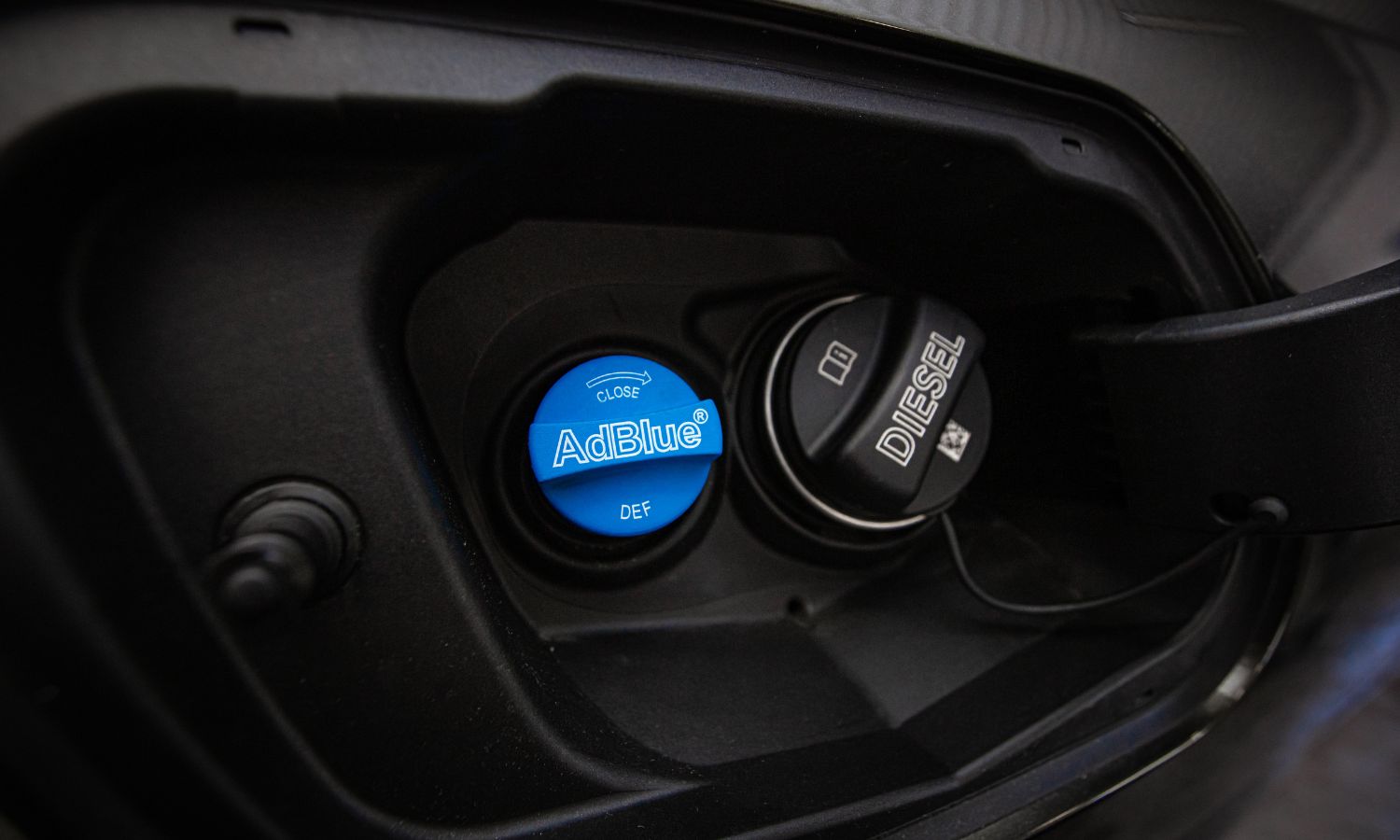
DEF works in a diesel-powered vehicle's selective catalytic reduction (SCR) system. There, it converts the harmful nitrogen oxides (NOx) found in diesel exhaust into nitrogen and water vapor — two common, harmless chemical compounds. DEF therefore prevents toxic NOx emissions from entering the atmosphere by breaking them down into nontoxic components.
Using good quality DEF supports engine health and performance by:
- Preventing buildups in the SCR system, which reduces the risk of clogs and corrosion
- Helping to maintain optimal exhaust flow, which enhances operating efficiency
- Protecting the SCR catalyst from poisoning and the DEF injector from excessive wear and deposit build up
Using DEF is also mandatory for compliance with Environmental Protection Agency (EPA) guidelines. The EPA introduced these requirements in 2010, and they extend to all on-road diesel vehicles including heavy-duty trucks, buses, and vocational fleets.
Responsibility for meeting the EPA's DEF requirements typically falls to fleet operators, owner-operators, or equipment managers. Read more about the EPA’s specific requirements for DEF here.
If you're subject to the EPA's DEF compliance requirements but fail to meet them, you may be liable for costly fines and other penalties. Between these compliance risks and the expensive repairs your vehicles may need if you don't use high-quality DEF, you could expose yourself to thousands upon thousands of dollars in avoidable costs.
Risks of Using Low-Quality DEF
It's well worth examining the risks that come from using impure, low-quality DEF in greater detail. Beyond the costly penalties you could face for noncompliance with EPA requirements, major risks include:
System Damage and Contamination
Substandard DEF can contain impurities: dirt, debris, metal particles, and water quality that isn't up to snuff. These contaminants can damage SCR systems and DEF injectors, potentially causing engine fault codes and premature component failure.
Engine Derating and Fleet Downtime
If your DEF doesn't meet expected quality and performance standards, in-vehicle diagnostics systems can sense problems. This can lead to engine derating — a loss of power that limits
speed, torque, or RPMs. Costly problems, including roadside vehicle breakdowns, delivery delays, and unscheduled downtime, can result.
Loss of Warranty Protection
Original equipment manufacturers (OEMs) specify in their warranties that the DEF you use in their vehicles must meet ISO 22241 standards. If you use DEF that doesn't meet with ISO 22241, you will void your warranty protection and the costs of any necessary repairs will shift from the OEM to you.
Repair costs are high: SCR replacements on heavy-duty vehicles start at around $4,000 per vehicle, and can go much higher. Multiply that by the number of risk-exposed vehicles in your fleet and the potential liabilities can become astronomical.
The High Costs of Fleet Downtime
Repair costs arising from voided warranties are only a fraction of the total financial toll that downtime takes. According to industry publications including Fleet Management Weekly and Fleet Maintenance, average downtime costs range from $448 to $760 per vehicle per day.
Those numbers might not seem like much on their own, but they add up to frightening amounts of money when scaled up across an entire fleet.
For example, the Fleet Maintenance analysis reported a typical hourly cost of $79.33 for unplanned fleet downtime. For a 1,000-truck fleet that experiences five downtime events per vehicle per year, total annual costs soar to nearly $595,000 if each downtime event lasts an average of just 90 minutes.
Viewed through that lens, it becomes impossible to justify the meager savings you could get from cutting corners on your DEF.

How High-Quality DEF Extends Uptime
There's also a flip side to reducing unplanned downtime: high-quality DEF extends uptime, which leads to higher profitability. It also helps your company earn and retain business by building a reputation for dependability.
You can also plan service intervals with greater accuracy, keep your assets in rotation longer, and avoid scheduling crunches and gaps. All of these benefits lead to meaningful returns on the investment you make in high quality DEF.
DEF Quality and Purity Standards to Look For
ISO 22241 certification is the gold standard to look for in DEF quality. To meet ISO 22241 guidelines, DEF must contain:
● 32.5% high-purity urea
● Deionized water
● Extremely low levels of contaminants
When sourcing DEF, look for label claims that confirm the product meets ISO 22241 standards. You can also ask the supplier for a certificate of analysis (COA), which you can use to verify product quality through independent lab testing.
Another way to make sure your DEF meets quality requirements is to look for a certification from the American Petroleum Institute (API). Certified products have the API Diesel Exhaust Fluid Certification Mark:
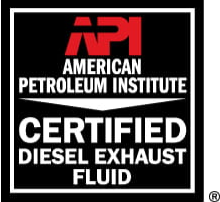
You will find this mark on the DEF's external packaging, as pictured on this BlueDEF® spec sheet.
However, be warned that some unscrupulous manufacturers use the API certification mark without proper authorization. The API tracks known cases of misrepresentation, and you should check to make sure that any DEF you're considering does not appear on the organization's list of unauthorized certification mark uses.
Why BlueDEF® is the Trusted Choice
BlueDEF® is guaranteed pure: Every batch undergoes rigorous quality control testing before we put our name on it, and every box we sell is certified by the API and fully satisfies ISO 22241 standards.
Here's how you know: the API lists Old World Industries (OWI), the maker of BlueDEF®, in its official DEF certification database.
As the number-one brand of DEF in the United States, BlueDEF® uses a proprietary triple-filtered formula to eliminate contaminants and deliver a product of the highest possible purity.
To learn more, review this Eagle Power case study: it explains how BlueDEF® made a meaningful difference to Eagle Power's bottom line by reducing downtime and powering the company's innovative preventative maintenance program.
You can also read a white paper detailing the demanding DEF purity protocols OWI uses when manufacturing BlueDEF®, and explore answers to commonly asked questions about the BlueDEF® product line.