

What to Do if Your Car Overheats on a Road Trip
- PEAK Squad
- PEAK
- September 25, 2026
Do you know what to do if your car overheats? Luckily fixing an overheating car is entirely manageable if you catch it early and know what to do. See here!
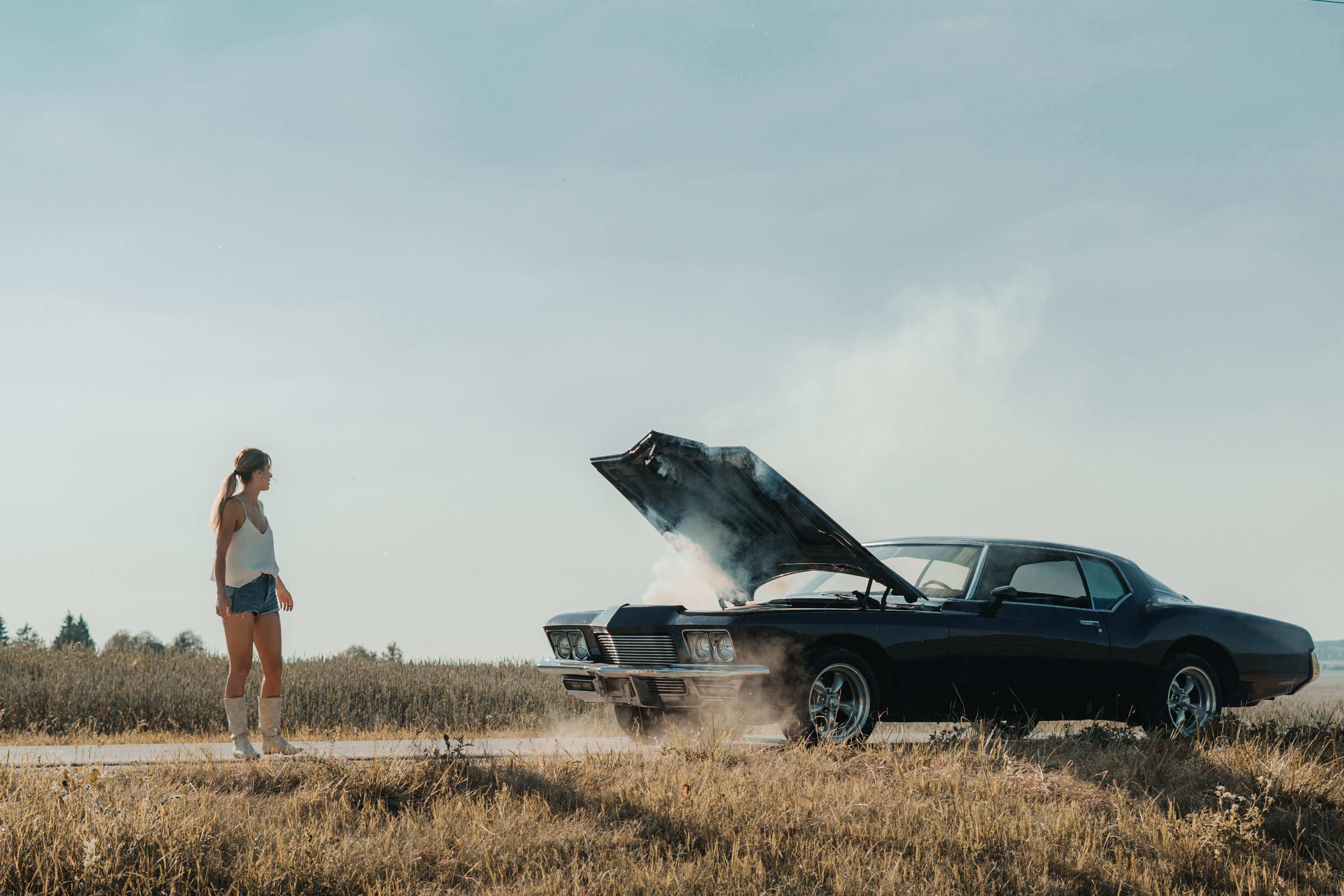
It's a beautiful day. You're out on the open road, singing along to your favorite song as you cruise toward the horizon. You suddenly notice your temperature gauge pushing into the red zone … a few curls of steam leak out from under your hood.
Your car is overheating.
If you're not sure how to handle this common situation, you could end up on the wrong end of a costly repair bill. A complete engine replacement, which you may end up needing if you push your overheating car too hard, can cost north of $10,000.
The good news? Fixing an overheating car is entirely manageable if you catch it early and know what to do. With road trip season in full swing, now's the time to brush up on the steps you should take if your car overheats.
Let’s walk through:
- How to tell for sure if your car is overheating
- Step-by-step actions for dealing with an overheating engine
- What not to do with an overheating car
- Next steps when your engine has cooled off
- When you can continue driving
- Why cars overheat and how to prevent it
Let's start by looking at how to know for sure if your car is actually overheating.
How to Tell If Your Car is Overheating
First, make sure you're actually dealing with an overheating engine and not some other issue. Look for these signs:
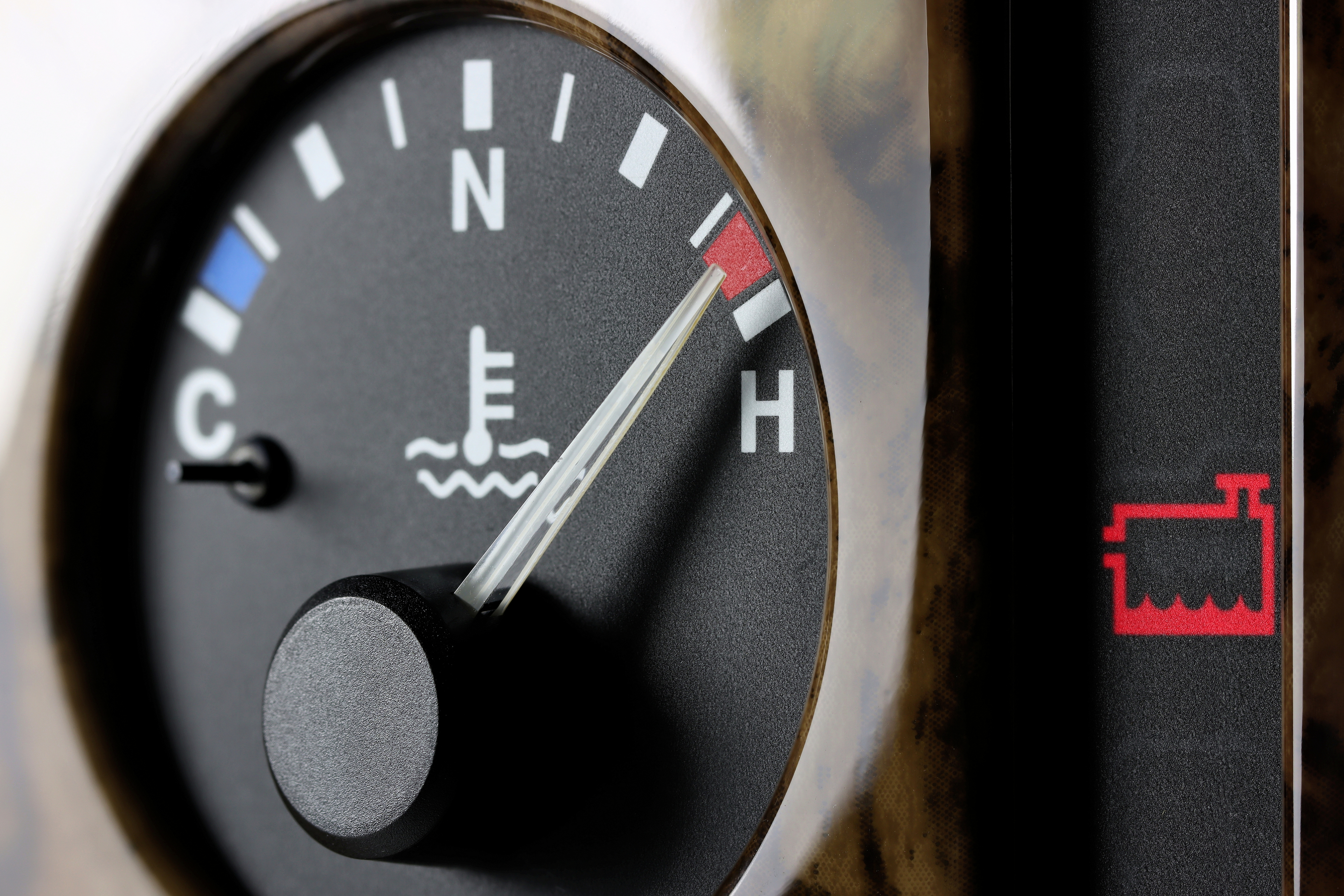
- Your temperature gauge is pushing into "H" territory. That needle should live in the middle of the range on your gauge. If it's "H" ("Hot"), or anywhere near it, your engine isn't happy.
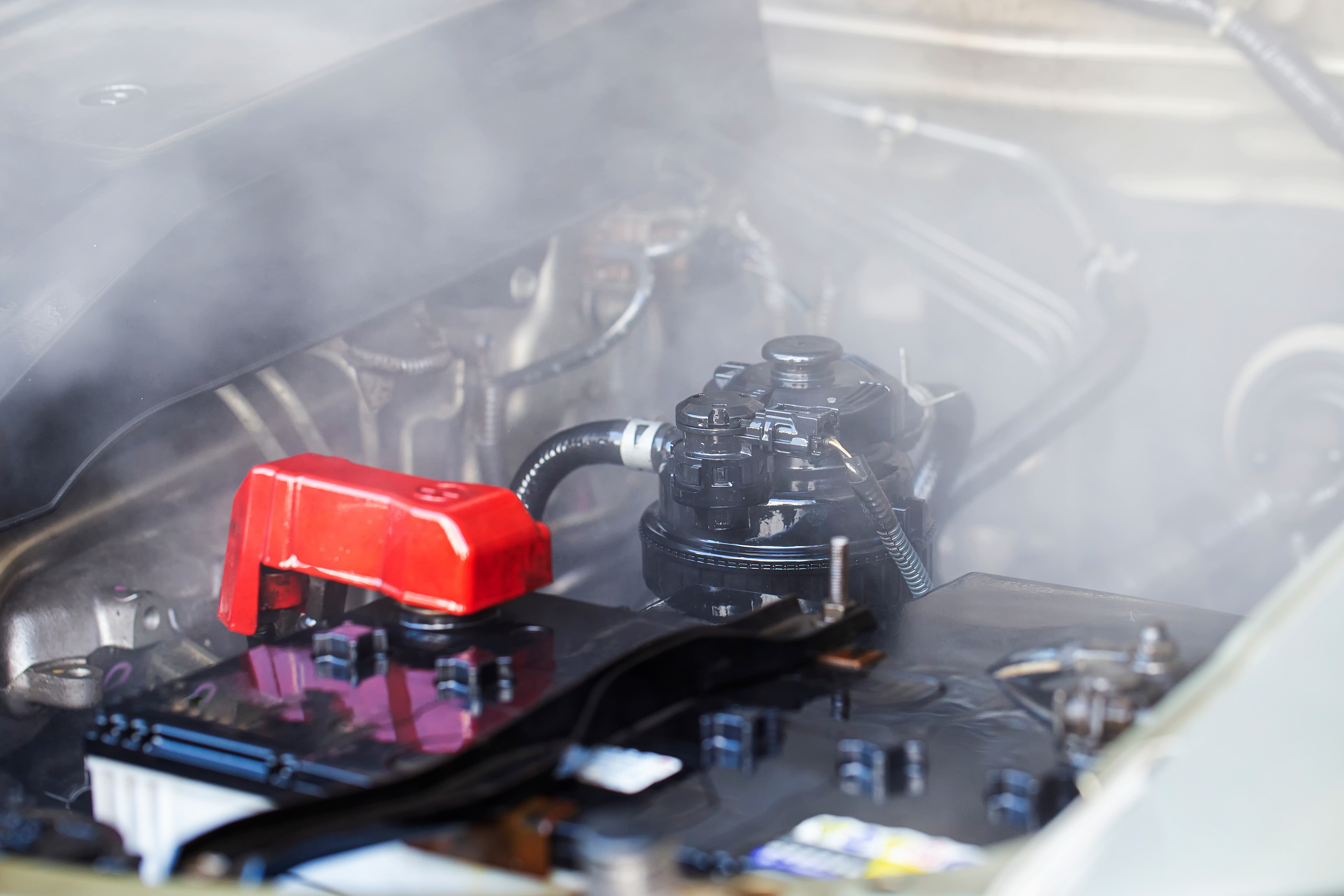
- Steam coming from under your hood. Coolant boils off when engines overheat. It looks like thin, fast-rising smoke.
- A strange sweet smell. Coolant gives off a signature sweet smell when it burns. Steam or smoke may or may not accompany this odor. If something smells off, trust your nose.
- Your engine temperature warning light comes on. Many newer cars have a dedicated warning light that will alert you to an overheating engine. It looks like a little thermometer sitting in waves of water.
Even one of these signs should be taken seriously. Two or more makes this situation an emergency.
Step-By-Step Actions for Dealing With an Overheating Engine
First, don't panic. You need to act fast, but you also need to stay calm. An overheating engine is pretty easy to deal with if you get an early start and know what to do.
Follow these steps:
- Turn off your AC and crank the heat. This sounds counterintuitive, but it's super effective. Blasting the heat will draw excess heat away from your engine and buy you some time.
- Pull over as soon as you can safely do so. Don't look for the perfect spot or the next exit. Pull over immediately, in the first place you can safely stop.
- Turn the engine off. Shut your car down completely and let it rest.
- Open the hood. This will allow the excess heat to escape. Don't do anything else just yet, other than pop it open.
- Wait 20–30 minutes. That's about how long it will take for your engine to cool down to safe levels.
What Not To Do With an Overheating Car
Now that you know what you should do, let's review what you should not do if you've got an overheating engine:
- Do not ignore it. This problem won't just go away. The longer you ignore it, the worse it will get.
- Do not keep driving. "Let's just get to the next exit" are the magic words for turning your repair bill from $300 to $3,000.
- Do not pour cold water on your hot engine. This triggers thermal shock, which can crack your engine block and break your bank account.
- Do not open the radiator cap until your engine is cool. Your coolant system is pressurized. By opening that cap, you're releasing pressure — along with jets of boiling-hot steam and scalding liquid. Get in the way of that and you'll need an ambulance, not a tow truck.
Next Steps When Your Engine Has Cooled Off
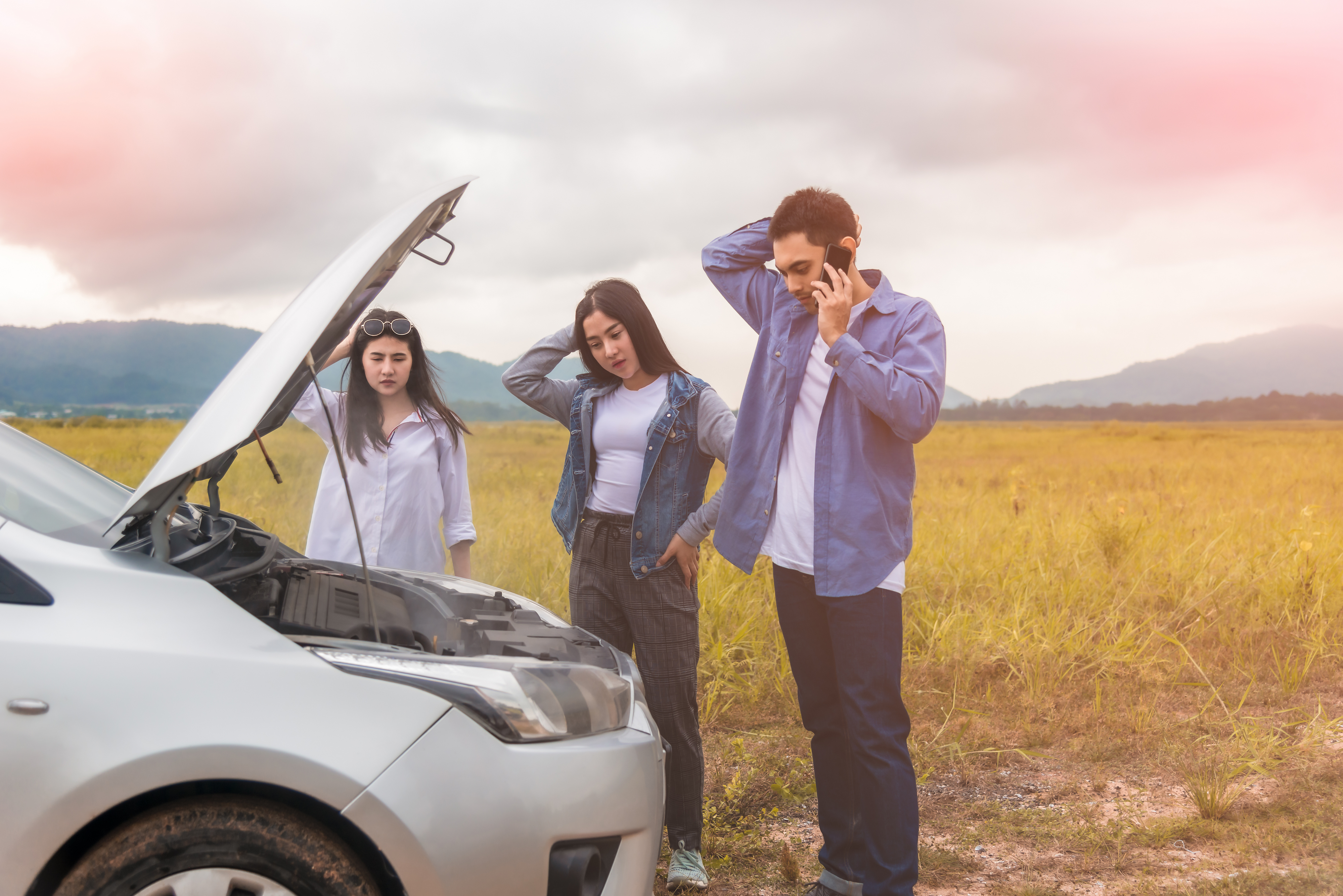
Once 20 or 30 minutes have gone by, it should be okay to start taking a closer look. You'll know for sure that it's safe to investigate why the engine was overheating if there's no more smoke or steam coming from your engine. If your temperature gauge returns to the middle of its range after restarting your engine and driving for a few miles, you may be able to continue your trip.
On the flip side, something serious is still wrong if your temperature gauge starts creeping back to "H" or if your engine temperature warning light comes back on shortly after you fire up your vehicle.
You may also notice one or more of these other red flags:
- Your engine makes hissing, gurgling, or knocking sounds
- Steam or smoke reappears from under your hood
- There's a visible coolant leak in the form of dripping hoses, wet spots around the radiator, or a puddle under your car
If there's a leak, you'll be able to tell whether it's coolant by the fluid's color, smell, or texture. Coolant usually comes in bright, distinctive hues of blue, green, orange, or pink. It's also got that distinctive sweet smell, and a slippery texture that isn't greasy like oil.
Your next steps depend on whether things have safely stabilized, or whether you still have a problem.
If things look safe, you can:
- Check your coolant level. Find your coolant reservoir — it's usually made of translucent plastic and placed near your reservoir. It will have indicators for "MIN" ("Minimum") and "MAX" ("Maximum).
- Top off your coolant if it's running low. If you're anywhere below "MAX," top off your coolant. (This is why it's always wise to stash an extra jug of 50/50 prediluted coolant in your trunk.) Distilled water will also work in a pinch. Tap water will, too, but you should only use it as a last resort and follow up with a coolant system flush-and-fill at the earliest possible opportunity.
If you still have a problem, you should:
- Turn your vehicle off. Step away from the engine, kill the ignition, and leave it off.
- Call for help. Roadside assistance was made for exactly these situations. Call AAA or another provider you trust.
- Do not attempt to drive. Have your car towed to a service station where a mechanic can check it out.
- Get professional advice. Consult a trained technician to find out exactly what's wrong and what needs to be done to fix it.
When Can You Continue Driving?
If once you've checked your coolant levels and topped them off if they were low, you can give driving another go. Before you hit the gas, check to make sure your temperature gauge is stable around the middle of its range, and that no warning lights come on.
Take it easy for the first few miles. Avoid hard acceleration, maintain a steady speed, and keep your AC off. Most importantly, watch your temperature gauge and check for warning lights.
Stop driving right away if:
- Your temperature gauge pushes back into "H" territory
- Your engine temperature warning light comes back on
- You see steam or smoke, or smell a sweet burning odor
- Your engine runs rough, loses power, or makes unusual sounds
If any of these warning signs recur, pull over, shut off the engine, and call for help.
Why Cars Overheat and How To Prevent It
Understanding why cars overheat in the first place is the best way to stop it from happening to you. It's also wise to do a quick cooling system check before you hit the highway on a road trip.
Why Cars Overheat
Common causes of overheating include:
- Low coolant levels, and/or coolant leaks. This common culprit leaves your engine unable to regulate its temperature.
- Thermostat failure. Your thermostat controls the flow of coolant. If it's stuck in the closed position, coolant can't circulate and your engine will fry.
- Faulty water pump (or belt that drives the water pump). Your cooling system's water pump keeps your coolant physically moving. When it, or the belt that drives it, goes, it stops cooling your engine.
- Damaged radiator or engine hoses. Cracks, clogs, or leaks in these components can essentially shut your cooling system down.
- Pushing your engine too hard. Excessive engine stress from carrying heavy loads or climbing super-steep slopes can strain your cooling system, especially in summertime heat.
- Radiator fan not operating properly or at all. The fan should turn on to pull heat away from the radiator when the coolant reaches a set high temperature.
How To Prevent Overheating
Most causes of overheating are easily preventable. Here's a quick 10-minute check you should do before you hit the road:
- Now that you know how to check your coolant level, do it before you leave. If your coolant is running low, top it off.
- Check engine hoses for cracks, loose connections, soft spots, or bulging. If anything looks wrong with your hoses, replace them.
- Avoid overloading your vehicle. The more cargo you bring, the greater the strain you'll put on your engine.
- Buy an extra jug of 50/50 prediluted coolant to bring along. PEAK offers all makes, all models and universal coolant for general use, but you can also select a premium PEAK product specifically formulated for North American, European, or Asian-made vehicles.
Then, follow these tips while you're driving:
- Keep a close eye on your temperature gauge. If it pushes up toward "H," pull over and activate your step-by-step response plan.
- Moderate your AC use. Instead, lower your windows at lower speeds.
For a full explanation of all the vehicle checks you should make before hitting the road, consult this complete road trip checklist. It also pays to review this primer on how to care for your car's cooling system all year round.
Finally, remember that PEAK has a high-quality coolant for every situation. Find everything from universally compatible All Vehicles antifreeze coolant to advanced specialty products like Dex-Cool approved antifreeze for GM vehicles and Titanium coolant with a proprietary additive package for extra protection and long life.