

Starting Auto Tech School This Fall? 5 Simple Ways to Get a Head Start
- PEAK Squad
- PEAK
- September 3, 2026
If you're heading to auto tech school, follow along to get a head start. From reviewing course descriptions to learning basic car maintenance, we've got you.

Auto tech trade school can be a little nerve-wracking at first, especially if you've never been in a professional shop environment before. Even if you're already confident around cars, it's still worth brushing up on some key concepts and core skills before classes start. A little prep now will make for a smoother transition to the classroom.
No matter where you are in your learning journey, these five tips can help make sure you'll be ready to hit the ground running this fall:
- Review your first semester's course descriptions
- Get comfortable reading repair procedures
- Practice tool identification and proper use
- Learn or review basic car maintenance
- Watch diagnostic case studies
Ready to learn? Let's dive in.
Review Your First Semester's Course Descriptions
The first semester — or, at least, the first few weeks of it — are likely to throw you for the biggest loop, especially if you've been out of school a while. You'll have a lot of things to get used to: new classmates, new teachers, new environments, new concepts. One overlooked way to make things easier is to get a head start on what you'll be covering in class.
Once your first-semester timetable is finalized, go into your school's course catalog and review the detailed descriptions of the classes you'll be taking. Those descriptions explain essential concepts and learning goals. They'll give you a clear picture of the knowledge and skills you'll be expected to build in each class.
As you read through, note any topics that seem unfamiliar or a little intimidating.
If any of the material seems daunting, don't sweat it. You've still got time to bridge any major knowledge gaps you might be worried about. Here's how:
- Start by listing specific topics or concepts you'd like to understand better
- Review some beginner-level resources on those subjects
- Watch some online diagnostics or repair walkthroughs
Our DIY Hub can be a huge help on that last point. It's filled with videos covering all kinds of basic to intermediate-level auto maintenance and repair tasks, from changing wiper blades to doing a coolant flush-and-fill.

Get Comfortable Reading Repair Procedures
Even the most experienced auto tech pros don't always know every diagnostic and repair procedure by heart. What they do know is how to find, interpret, and apply any information they may need to reference. This same skill will serve you well throughout your program, so now is a great time to start developing it.
Here's how you can start:
- Explore some technical documentation.
Look over the same type of reference documents pros use when performing diagnostics or repairs. Factory service manuals and manufacturer-issued repair procedures are best, if you can find them. Vehicle-specific owner's manuals also contain repair information, and they'll help too.
- Note the information architecture.
At this stage, focus only on building literacy with technical documents. Notice how procedural guides specify the tools and equipment you'll need, how they identify the specific vehicle components involved in the repair, and how they use diagrams and step-by-step instructions to walk you through tasks.
- Trace a simple procedure from start to finish.
Practice applying that technical information. Choose something involving basic car mechanics, like changing a tire or replacing a spark plug. Trace your way through the entire procedure in the documentation, then move to an actual vehicle. You don't need to perform the procedure, but it'll help connect the dots if you interpret the documentation with the real thing right in front of you.
Practice Tool Identification and Proper Use
At auto tech school, your classes will move quickly into hands-on work. You don't need to know how to use every tool in the shop on day one, but it will definitely help if you recognize the most common ones and know how they work.
Your school should supply you with a list of the mandatory hand tools and service gear you'll be expected to bring with you to class. This primer on essential auto tech tools for students explains in more detail.
Review that list. For any tool you don't already recognize and know how to use:
- Learn its name
- Find some demonstration videos explaining its use
- Practice identifying, handling, and calibrating it
At this stage, the goal isn't technical mastery. It's simple familiarity. That way, when your teacher tells you to grab a torx-head screwdriver and a 1" combination wrench, you'll know exactly what they're talking about.
Learn or Review Basic Car Maintenance
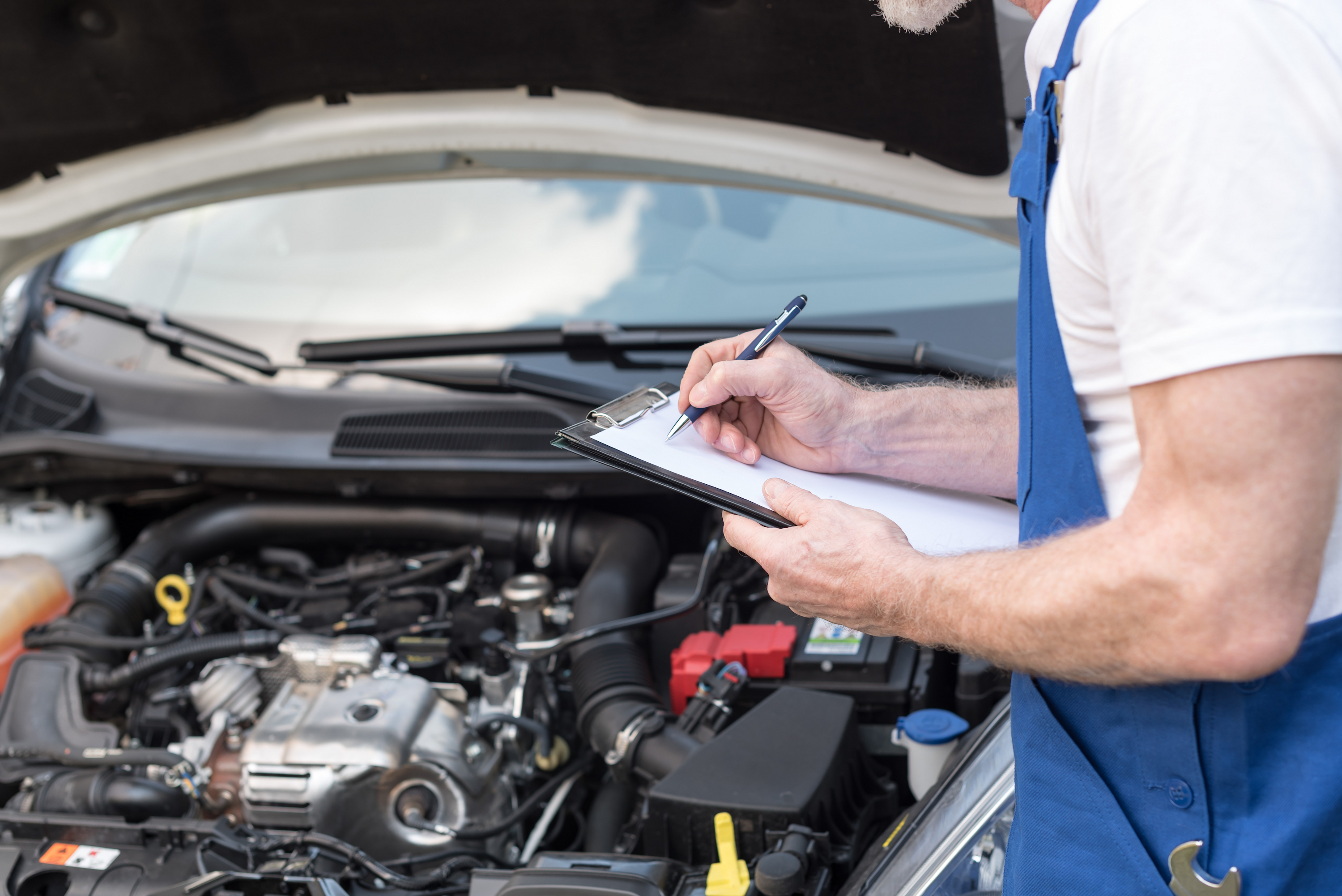
Every student has their own reasons for going to auto tech trade school. Some want to set themselves up to pursue specialized automotive certifications. Others want to position themselves for entry to some cool emerging jobs in the world of car repair. But pretty much all of them share a passion for cars and mastering the technical mechanics that make them work.
Whether you've already explored that interest by learning some basic car maintenance tasks or haven't started yet, you can get ready by reviewing a few of the systems and procedures technicians commonly interact with.
Here's how to start:
- Review common maintenance items.
Begin with baseline essentials: look at elements like engine oil, coolant, brake fluid, and transmission fluid. Understand what they do, why they're important, and what can happen if they're neglected. Our primer on seasonal car maintenance basics can orient you.
- Study tire and wheel fundamentals.
Get to know elementary tire and wheel concepts, like tread depth, tire pressure, wear patterns, and wheel lug hardware. They form core elements of the vehicle inspection and routine service plans you'll be learning about.
- Learn how vehicles start and stay running.
A solid fundamental understanding of the path from battery to starter motor to alternator makes a great foundation for learning. A lot of the early electrical and diagnostic lessons you'll cover involve these elements.
As with tool practice, mastery isn't the goal here. It's building or sharpening your working knowledge of the core systems your program will probably start with.
Watch Diagnostic Case Studies
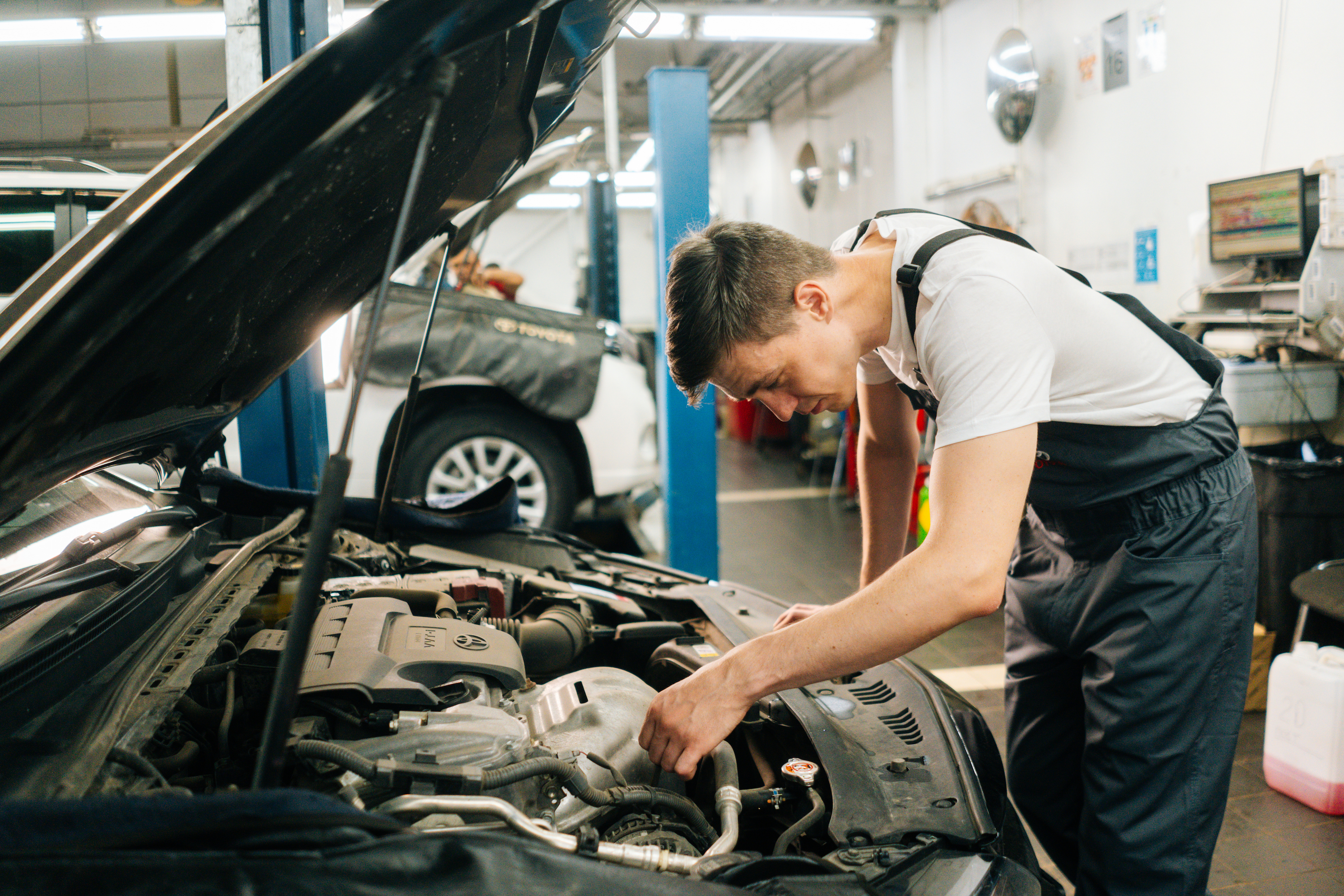
It's a common misconception that auto repair is mostly about replacing parts and servicing systems. In reality, technicians spend a lot of their time figuring out exactly what's wrong with a car before even attempting to fix it.
That's why diagnostics are such a core focus of good automotive tech programs. That's also why it's wise to know how diagnostics procedures work before you set foot on the shop floor at your school. Here are some steps to get you started:
- Watch some step-by-step walkthroughs.
Focus on common scenarios with undefined causes, like a car that won't start or a generic check-engine light that comes on. These sorts of problems usually involve multiple vehicle systems, and diagnosing them requires a careful, method-based approach.
- See how the pros narrow down the problem.
Watch how real-world technicians use customer complaints to inform their diagnostic investigations. Notice how they gather information, perform tests, rule out possible causes, and come to a conclusion.
- Try thinking through the problem yourself.
If you've already got some advanced technical knowledge, try playing along with the walkthrough. Pause the video before the technician explains the next step. Ask yourself what you would do next, and why. Then, see if you're right, and compare your thinking to the technician's reasoning.
By spending the last couple weeks of summer doing some pre-program prep work, you'll find yourself at an advantage from day one. Being ahead of the curve will help you build confidence, and that confidence will serve you well as you move into more advanced coursework.
For more auto tech school insights, consult our guides covering pathways into tech school, financial aid options, and more tips on getting ready for your auto tech program.