

How To Help Your Teen Prepare Their Car for Campus
- PEAK Squad
- PEAK
- August 21, 2026
Prepare your student driver’s car for college with this essential checklist covering safety inspections, emergency kits, fluid checks, tires, brakes, and more.
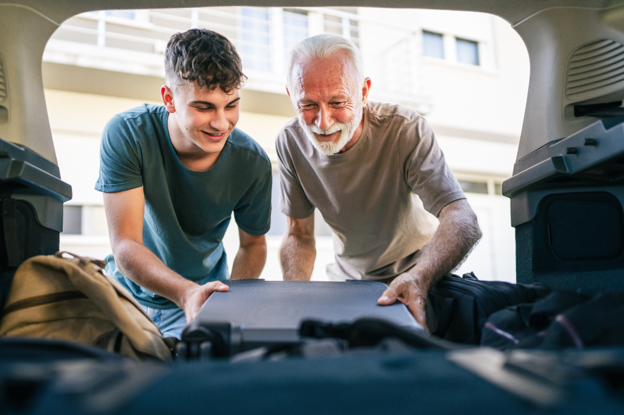
Sending your teen off to college is an emotional moment for any parent. It's an exciting time, but it's also natural to worry about every little detail of the life-changing experience they're about to have. By making sure their car is properly prepared for college, you'll have one less thing to worry about.
This campus-focused car care checklist for teen drivers covers:
- An essential, do-not-skip safety inspection
- Building a car emergency kit for campus
- Essential safety basics and "what to do if…" readiness
- Final fluid checks you won't want to miss
Follow this guide from start to finish and say goodbye to anxieties about safety preparedness, breakdowns, and the many other unknowns the road may bring.
Start With an Essential Safety Inspection
The best car for a new teen driver is a safe car, so you'll want to start by inspecting all the essentials to make sure the vehicle is road-ready. The American Automobile Association (AAA) has studied links between routine maintenance and roadside breakdowns, finding that millions of mechanical failures could be prevented each year with simple, proactive car care.
This doesn't have to cost a lot, and it's something you and your teen can do together. Essential checks include:
Brakes
Start with your teen's most important vehicle system: the brakes. Here, you're looking for obvious warning signs that your brakes need professional service.
Follow these steps:
- Press down on the brake pedal before driving. It should feel firm and responsive. If it's rigid, spongy, soft, or seems to sink too low, have the brakes checked. A change in brake pedal function can be an early warning sign of a problem that needs fixing.
- Test the brakes. Take the car to a safe area, away from traffic. Drive slowly, then apply the brakes. See how they respond. The car should come to a prompt, predictable stop. If it takes longer than it should to slow down, or if the vehicle pulls to one side during braking, schedule a visit with your technician.
- Listen. As you brake, keep an ear open for grinding, squeaking, squealing, or other unusual sounds. These can indicate unsafe levels of wear on your brake pads.
If they're visible, take a quick look at your car's brake pads. They should have at least ⅛" of padding left. Any less means it's time to replace them.
Tires
Tires play a huge role in maintaining vehicle performance and stability. Here's how to make sure their rubber is ready to meet the road:
- Inspect the treads. Look for bulges, cracks, and signs of uneven wear. If you see them, replace the tires.
- Check pressure levels when the tires are cold. Get the proper PSI range from your owner's manual or the jamb of your driver's side door, where some vehicles display it. Then, take a reading with a tire pressure gauge, compare it against the correct range, and add or remove air from your tires as needed.
- Do the "penny test." We've covered this check in past posts, including our greener and cleaner driving tips for Earth Day. Hold a penny so that Abraham Lincoln is facing you, upside-down. Stick the penny into your tire tread at the point with the greatest wear. If you can still see Lincoln's head, it's time to replace your tires.
Lights and Signals
Next, check all your lights and signals. Be sure to include:
- Low-beam and high-beam headlights
- Front and rear turn signals
- Brake lights
- Reverse lights
- Fog lights
You can prep for this check by reviewing our tips on how to adjust your headlights, which explains in detail how to make sure the headlight beams are correctly positioned.
If any lights need replacing, we've got you covered with capsule headlights for all driving conditions, sealed-beam headlights, exterior and interior bulbs, and more.
Wiper Function
According to the Federal Highway Administration (FHWA), 99% of car accidents that occur in adverse weather conditions involve rain, snow, sleet, or mist. It's hard to argue with a statistic that decisive: If your teen doesn't have proper visibility in bad weather, an accident becomes much more likely.
With wipers, you have two things to check. First, test your wiper blade function. If the blades don't maintain full contact with the glass, or if they don't fully clear water from your windshield, they need to be replaced. This easy-to-follow guide to replacing your wiper blades explains what to do.
Next, load up on windshield wash. It's something a driver just can't go without, especially as summer changes into fall. Tree sap, bugs, and increasingly unsettled weather can all do a number on your teen's ability to see the road properly.
Again, we've got you covered with high-performance wiper blades for all seasons and road conditions, along with premium windshield wash that doesn't carry a premium price tag.
Building a Car Emergency Kit for Campus
Every driver (especially teens who are new car ownership) should have a well-stocked emergency kit at all times. You never know when a breakdown might occur, and they have a knack for happening in the wrong place at the wrong time.
Even a small kit will deliver big peace of mind. Must-haves include:
- Jumper cables or portable jump-starter
- Reflective warning triangle
- First aid kit
- Flashlight and batteries
- Extra mobile phone charger or power bank
- Drinking water
- Blanket(s) (especially for winter and during road trips)
Our ultimate road trip checklist has a complete list of everything a fully stocked emergency kit should have, along with helpful safety tips for long-distance driving. Print off a copy and stick it in the glove box to make sure it's available to your teen at all times.
Essential Safety Basics and "What To Do If…"
Behind the wheel, confidence correlates with safety. As your teen turns from student driver to car owner, it's important that they know what to do if something goes wrong.
Let's review best practices to follow in four common "what to do if…" scenarios:
What To Do If You Get a Flat Tire
If you get a flat:
- Pull over in the first safe place you can find
- Activate the hazard lights
- Remove the flat and install the spare, if you can
- Drive to the nearest service station on the spare
- Call roadside assistance if you can't change the flat yourself
Don't keep driving on a flat tire. It can damage your wheel, and it also increases your risk of losing control of the car.
What To Do If Your Car Overheats
We covered this in detail in a recent post on how to handle an overheating car. Here's the cheat sheet:
- Pull over as soon as possible, in the first safe place available
- Activate the hazard lights
- Turn off the vehicle and let the engine cool completely
- With a cool engine, open the hood and check the coolant level
- Add coolant if it's low, then continue driving as you watch carefully for signs of recurrent overheating
- Call for help if you see steam or leaking coolant, or if the engine won't cool down
There are also a few very important dont's to watch out for:
- Don't remove the pressurized radiator cap when the engine is hot
- Don't continue driving with an overheating engine
- Don't ignore warning signs, like a rising temperature gauge, the presence of steam, or the distinctive sweet burning smell produced by boiling coolant
What To Do If Your Battery Dies
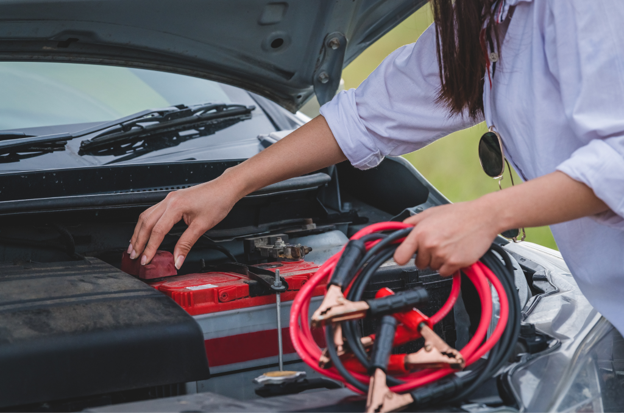
If the engine won't start, a faulty battery could be the cause — especially if you hear a labored cranking sound that fails to turn over the engine.
Here's what to do:
- Get your jumper cables or portable jump-starter
- If you're using jumper cables, flag down another motorist to help you
- If you have a portable jump starter, you can jolt the battery to life yourself
- If you're using jumper cables, make sure they're connected to the correct terminals
- After jump-starting the car, drive for at least 20–30 minutes to let the battery partially recharge
- Take the car to a technician to have the battery tested and replaced, if necessary
Don't keep trying to start an engine that won't turn over. This will only drain the battery further, possibly of its last precious juice.
What To Do If You Get in a Minor Accident
In the event of a minor accident with no apparent injuries, make sure your teen knows what they should do:
- Turn on your hazard lights and remove the vehicle from traffic if possible
- Confirm that nobody is injured, and call emergency services immediately if someone needs help
- Take pictures documenting road conditions, the scene of the accident, and any damage to your vehicle
- Exchange contact, license, and insurance information with any other motorists involved in the accident
Don't admit fault, leave the scene, or engage in a confrontation with an angry driver. Call the police if you need help.
In the event of a more serious crash with confirmed or possible injuries, call 911 right away if you can.
Final Fluid Checks
As a final step, sign off on all the other vehicle fluids. Go beyond the windshield wash to check your:
- Engine oil
- Brake fluid
- Transmission fluid
- Antifreeze coolant
Most of these checks involve a simple glance at a reservoir to make sure each fluid is at the right level and looks the way it should. Our seasonal maintenance checklist explains each of these fluid checks in complete detail.
Your antifreeze coolant check is especially important, as coolant plays a critical role in regulating engine temperature at all times of year. If you see your coolant getting low, top it off with high-performance PEAKⓇ antifreeze. It's available in multiple formulations, from all-makes, all-models coolant to specialized products for North American, European, and Asian-made vehicles.