

What to Know Before You Buy a Diesel Truck
- PEAK Squad
- PEAK, BlueDEF
- August 6, 2026
What is the cost of owning a diesel truck? They have very different ownership needs. Here's a maintenance checklist & what to know before buying a diesel.

Before you get that far, you should assess whether buying a diesel truck is even the right move for you. To that end, you'll need to think through factors including:
- What a diesel truck maintenance checklist looks like
- How DEF works and why your truck can't function without it
- The relationship between carbon buildup and your driving habits
- Planning and budgeting for diesel repairs
- How to get the most long-term value from your diesel truck
Start by looking at what diesel trucks are built for. That'll help you figure out whether one is right for you in the first place.
Diesel Trucks Are Built to Meet Specific Needs
Diesel engines are purpose-built to generate lots of torque at low RPM. Their high compression ratios, extended piston strokes, and turbocharging generate extra leverage and cylinder pressure. This profile makes diesel trucks perfect for hauling and towing.
On the flip side, diesel engines can suffer when they spend a lot of time idling or moving through stop-and-go traffic at lower speeds. Under these conditions, diesel vehicles can't really warm up to the right operating temperatures. Over time, this can lead to gunk buildups, blockages, and premature wear.
Put simply, buying a diesel truck might be a good match if:
- You tow a lot of cargo or heavy loads
- You do a lot of highway driving
- You need a long-haul work vehicle
If you don't drive that much, usually stay in the city, or want a truck with lower maintenance needs, a standard gas-powered engine is probably a better bet.
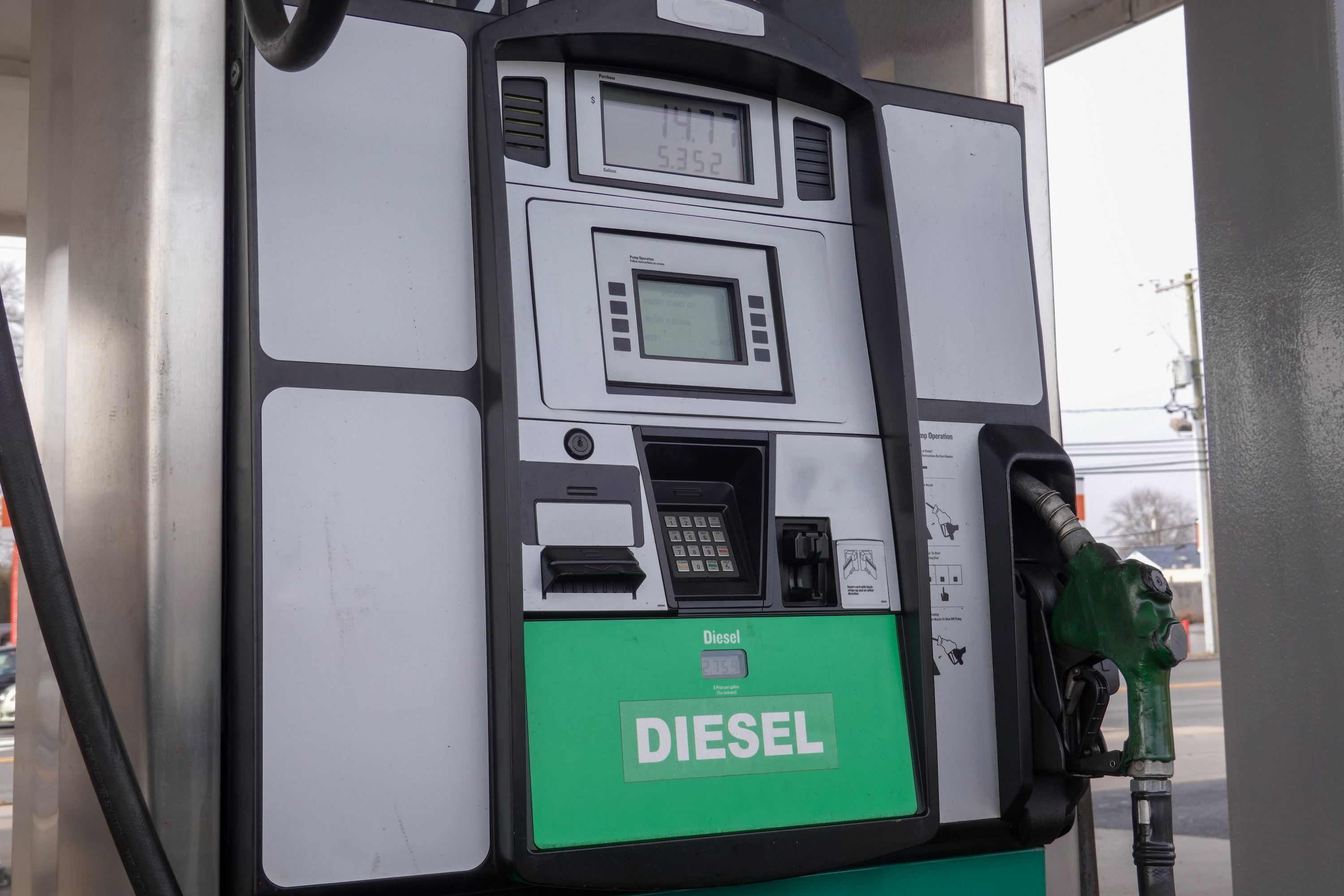
What a Diesel Truck Maintenance Checklist Looks Like
If you've only ever owned a standard gas-powered pickup, you'll quickly find that diesel truck maintenance is a lot more demanding than what you're used to. Maintenance tasks break down into two general categories:
Routine Maintenance
To stay on top of maintenance for diesel trucks, you should regularly check your:
- Oil, coolant, and brake fluid levels
- Air and fuel filters
- Belts and hoses
- Diesel Exhaust Fluid
Diesel engines work harder than standard gas engines, so these fluids and components are prone to depleting or wearing down faster. It's wise to check each of these items at least once a month.
Biannual and Annual Maintenance
Every 6–12 months or 10,000 miles, you should:
- Change your engine oil
- Replace your oil filter and air filter
- Check your transmission and drivetrain fluids, and top off any that are low
It's also a good idea to be proactive about flushing and filling your coolant, especially if you're doing a lot of heavy-duty hauling. Standard guidance suggests you should drain and replace your diesel truck's coolant every two years or 500 operating hours. For a more precise, vehicle-specific schedule, consult your owner's manual.
Finally, have a pro do a complete inspection once a year. This will help you stay on top of emerging issues, giving you a chance to fix them before they spiral into costly downtime.
How DEF Works and Why Your Truck Can't Function Without It
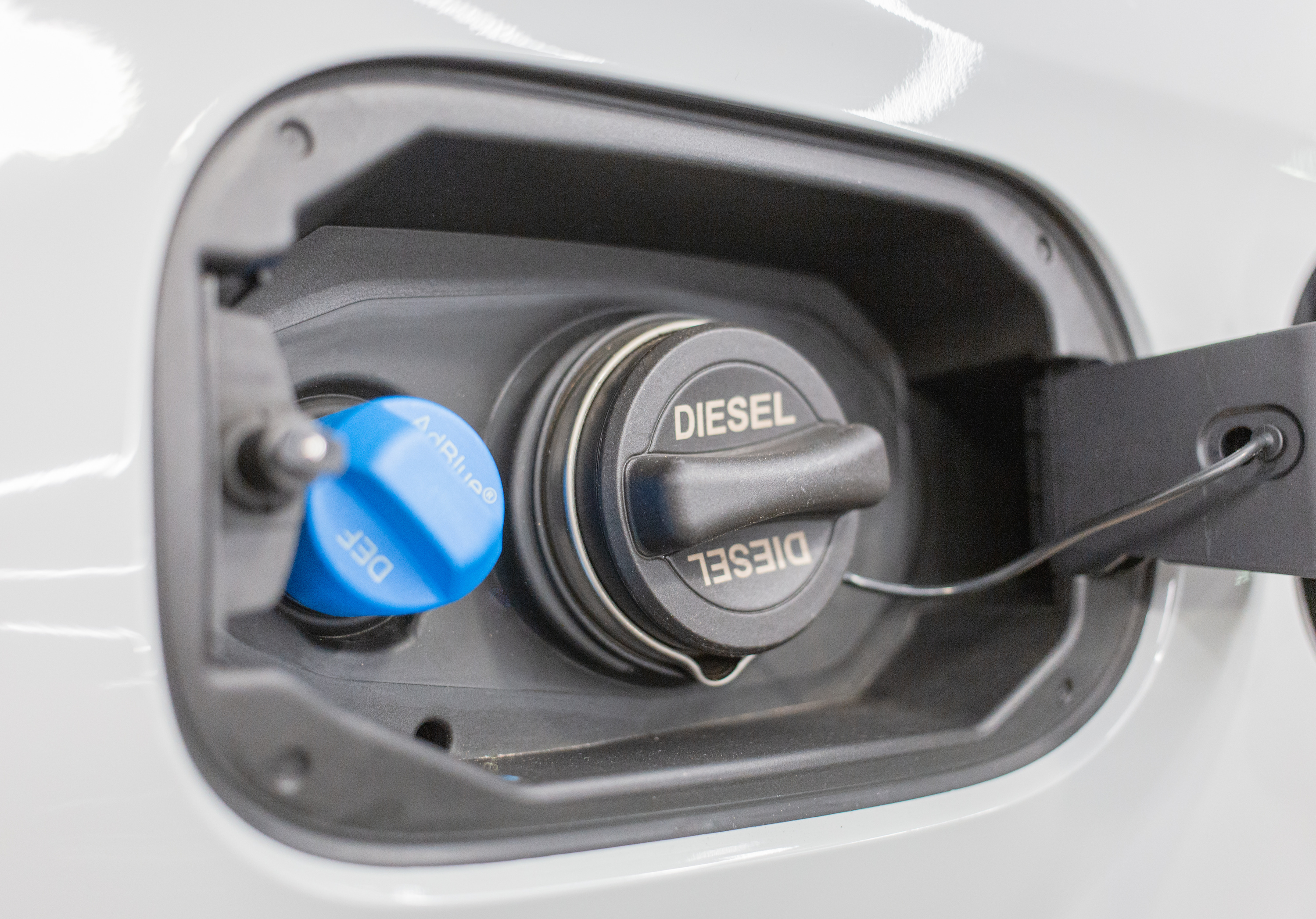
Every diesel-powered vehicle on the road needs a specialized product known as diesel exhaust fluid (DEF). It's made from high-purity urea (32.5%) and deionized water (67.5%). Some premium formulations, like PEAK BlueDEF Platinum, also contain proprietary additives that prevent and clean crystal deposits in the SCR system, protect purity and enhance the fluid's performance.
DEF injects into your diesel truck's exhaust stream, stopping harmful nitrogen oxide (NOx) emissions before they exit your tailpipe. The Environmental Protection Agency (EPA) has required all new diesel vehicles operating in the United States to use DEF in their selective catalytic reduction (SCR) systems since 2010.
Modern trucks consume DEF at a rate of about 2% to 3% by volume to diesel fuel. Your refill frequency therefore depends on how much you drive, but every 5,000–8,000 miles is a good general guideline.
If your DEF runs too low, your engine will "derate." This means it will lose power and function only in low-speed "limp mode" until you refill your diesel exhaust fluid to the right level. If you run out of DEF completely, your truck may not start at all.
To avoid this, make sure you have an extra supply of DEF on hand at all times. When properly stored, DEF will stay good for at least two years.
When it comes to DEF, purity matters — a lot. Contaminated DEF can derate your engine and damage your SCR system, which can lead to costly repairs and downtime. You can avoid this by following safe DEF storage, handling, and usage guidelines. You should also choose a premium product like BlueDEF Platinum, BlueDEF, or KleenDEF formulations that fully meet ISO 22241-1 purity specifications.
Our resource on avoiding DEF crystallization has all kinds of important DEF tips, including safe storage and anti-contamination practices. You can also learn more from our ultimate guide to DEF.
The Relationship Between Carbon Buildup and Your Driving Habits
Fun fact: Diesel engines are built to self-clean. However, the process only works when the engine reaches the right operating temperature.
If you're constantly making short trips, your engine won't typically get hot enough to complete a self-cleaning cycle. From there, carbon can build up in your diesel particulate filter (DPF) and your exhaust gas recirculation (EGR) system.
Fixing or replacing these components can be expensive, especially for your DPF: A new one can cost up to $10,000, depending on where you live and what kind of diesel truck you drive.
This is another reason you should think about your driving needs and habits before you go diesel. If you're mostly doing short-distance city driving, you're not really getting your vehicle into the operating conditions your engine needs to clean itself.
On the other hand, you're covered if you're on the highway a lot. If most of your driving is local and within city limits, take 30–60 minutes every week to do a highway run. That'll help your engine complete a passive regeneration cycle often enough to avoid problems.
Planning and Budgeting for Diesel Repairs
Diesel truck owners need to be logistically and financially prepared for service and repair costs. In general, diesel vehicles have higher average repair costs than their gas-powered counterparts.
Jalopnik did a deep dive on this exact issue in February 2026. It compared diesel- and gas-powered versions of the popular Ford F-350 pickup truck, looking at five-year maintenance and repair costs.
The diesel version was more expensive on both counts: Its five-year maintenance costs totaled $9,426, while repairs came to $4,484. These figures were 13.4% and 22.9% higher, respectively, than the same costs for the gasoline truck.
Specialized labor needs can further inflate things. Diesel vehicles are more complex, so you'll need a mechanic with the right expertise — and you might need to pay a premium for it.
Also, remember that not every auto repair shop works on diesel vehicles. It's a good idea to find a qualified diesel mechanic before you need one, so you'll know exactly where to turn when you do need service.
This all adds up to another useful piece of advice: Prepaid service plans and extended warranties can make sense if you're buying a diesel vehicle from a dealer. For more on that, review this article on dealer-recommended prepaid service packages, how they work, and when you do and don't need one.
Get Long-Term Value From Your Diesel Truck
If you decide to pull the trigger on a diesel truck purchase, follow this checklist to take great care of your new ride from day one:
- Follow your manufacturer-recommended maintenance schedule to the letter.
- Use premium fluids specifically formulated for diesel vehicles.
- Invest in top-quality DEF made to ISO 22241-1 purity standards.
- Drive your vehicle the way it was meant to be driven: Get it on the highway at sustained high speeds, and don't be afraid to tow loads or haul cargo.
- If your vehicle hasn't been out of the city in a while, take it on a highway drive for 30–60 minutes.
- Budget for higher maintenance and repair costs.
- Find a qualified diesel mechanic before you need one.
For more car care tips that apply to both diesel and gasoline-powered pickups, check out this seasonal maintenance checklist and this essential guide to new-car care.